Understand the current discourse on Menopause and HRT on social media.
More specifically:
We extracted around 300K search data points, 1000 tweets and 1200 Reddit posts within the geography of the US from July 2021 to June 2023, using curated keywords and hashtags.
Using unsupervised machine learning, our proprietary in-house AI clustered linguistically related inputs into concept clusters. Our team of analysts then interpreted these clusters, teasing out nuanced discourses on the topic.
The discourse were then sized through search - based on our curated keywords. Search data was obtained within a 2-year time period (March 2021 to February 2023).
Finally, from studying the discourses, we picked apart key themes and attitudes, combined data points with other relevant information surfaced during our research, and synthesized the findings into this report.
Weight Gain During Menopause
Changes in weight during menopause impact women’s confidence and body image.
Benefits Of HRT
HRT provides relief from meno symptoms, renewed energy, and improved mental and emotional well-being.
Memory Loss
Menopausal women experience distressing brain fog and forgetfulness, impacting cognitive abilities and causing anxiety.
Body Image Issues
Menopause exacerbates women's negative perceptions of themselves as they face undesirable physical changes.
Concerns About HRT-Related Risks
Women express concerns about potential risks associated with HRT.
Side Effects Of HRT
Women encounter both physical and mental side effects while on HRT.
Anger Issues
Menopause triggers intense anger and emotional turmoil in relationships, impacting personal and professional life.
Decline In Libido
Menopausal decline in sexual desire leads to emotional distress, feelings of being undesired, and challenges in relationships.
Education And Guidance About Menopause And HRT
Medical professionals turn to social media platforms to offer insights and guidance on how to navigate menopause and how to start HRT effectively.
Debunking Misconceptions Around Menopause And HRT
Healthcare professionals engage with patients through online forums to clarify common myths around menopause and help them better understand the pros and cons of HRT.
Tips To Manage Menopause Symptoms
Doctors offer various tips and recommendations to help women deal with the challenges of menopause.
Concerns about risks associated with HRT has emerged as a prominent topic in recent years, experiencing a significant 50% growth in search interest. Women are expressing apprehension about potential health risks and the development of other diseases from taking HRT.
Benefits of HRT and the burden of weight gain during menopause have also shown stable growth over the past two years (43% and 42% respectively). Many women are placing their trust in HRT as a game-changer solution to alleviate the challenges of menopause and improve their overall quality of life. Meanwhile, weight gain remains a top concern among women experiencing menopause, and they are actively seeking information and solutions to manage the changes in their appearance effectively.

Weight gain during menopause is a common and shared experience that impacts many women. As hormonal changes occur, some find themselves facing a gradual increase in weight, particularly around the midsection, which can deeply affect their confidence and body image. The struggle to find well-fitting clothing can be disheartening. Despite efforts to maintain healthy habits, such as monitoring food intake and engaging in regular exercise, many agree that weight loss becomes more challenging during menopause due to hormonal fluctuations and metabolic changes.


Hormone Replacement Therapy (HRT) has proven to be a highly positive and transformative experience for numerous women, providing relief from the challenging symptoms of menopause. In a matter of days after starting HRT, women have noticed remarkable improvements in their energy levels, sleep quality, and even the appearance of their skin. They describe feeling like they were sleepwalking through the years prior and now experience a renewed sense of awakening. The benefits go beyond physical changes, as HRT helps them regain emotional control and mental clarity. The foggy brain that once troubled them clears, allowing them to think more clearly and feel youthful once again.


During menopause, many women encounter a notable challenge: the disconcerting brain fog and memory loss. Forgetfulness becomes a common occurrence, making it difficult to retain newly learned information or recall simple words during conversations. This cognitive decline leads to emotional distress, leaving women feeling frustrated and anxious about losing control over their mental abilities. Moreover, concerns about developing dementia add to their apprehension, intensifying the impact on their daily lives.


Menopause poses a significant challenge for women as they confront negative perceptions about their physical appearance. The skin losing its youthful glow, the emergence of premature wrinkles and sagging, and hair thinning are disheartening changes that affect many women. These transformations often lead to feelings of being undesired, a decrease in self-confidence when facing their reflection in the mirror. Women express that menopause makes them feel like they are aging faster than expected, causing them to struggle with accepting these changes. The burden is further compounded by societal ideals and pressures that dictate how women should look, adding to the emotional weight they carry.


Some women express concerns about the connection between HRT and various health conditions. One common worry is the potential link between HRT and dementia, as some individuals have observed loved ones who were on HRT and later developed dementia. Additionally, HRT has been associated with an increased risk of certain diseases, including breast cancer, stroke, and blood clots. For others, the quest to find a suitable HRT option becomes disheartening, as they experience adverse effects such as migraines with aura. These fears and experiences can leave some women feeling defeated and hesitant to pursue HRT, even when seeking relief from menopausal symptoms.


Women who turn to HRT for relief from menopausal symptoms often encounter side effects that impact their well-being in various ways. Some women report experiencing breast soreness, while others face challenges related to gastrointestinal discomfort, such as feelings of nausea and stomach cramps. Additionally, HRT can affect hair health, leading some to notice increased hair loss, which becomes a source of distress and affects their confidence. This side effect adds to the emotional toll of menopause. Moreover, HRT may also impact emotional well-being, with some women experiencing heightened anxiety, depression, agitation, and a sense of doom.


Menopause can bring about a multitude of challenges, and one of the most distressing is the emergence of anger issues. Many experience overwhelming feelings of anger, irritation, and frustration that seem to arise without a clear trigger, and these emotions can profoundly impact all aspects of their lives. In the workplace, this heightened irritability can strain relationships with coworkers and superiors, potentially jeopardizing one's professional standing and creating an unhealthy work environment. Moreover, these effects extend beyond the workplace, seeping into personal relationships and causing conflicts with family members.


During the menopausal transition, many women experience significant changes in their libido, leading to a decrease in sexual desire and interest. Some worry that the loss of interest in sex is a personal reflection on their desirability or attractiveness, causing them to question their worth as a partner. The fear of disappointing their significant others or facing accusations of disinterest can lead to tension and emotional turmoil within the relationship. Additionally, hormonal fluctuations during menopause can exacerbate the issue, causing physical discomfort such as vaginal dryness, which further hinders sexual satisfaction.


Healthcare providers (HCPs) are increasingly utilizing social media to offer women valuable information and guidance on menopause and HRT. They address essential topics such as when to start HRT, finding the right dosage, and the expected time frame to experience its benefits. While each woman's menopausal journey is unique, HCPs provide broad guidelines to help determine the most suitable timing for starting HRT, emphasizing the need for personalized decisions based on individual needs and medical history. They highlight that the critical window theory suggests starting HRT earlier may offer greater long-term health benefits, such as protection from osteoporosis, cognitive decline, and diabetes.
Furthermore, they stress the importance of ensuring the safe and effective use of HRT, finding the lowest effective dose, and considering the most suitable delivery method to minimize health risks, including those related to cancer.
In terms of results, HCPs agree that improvements in menopausal symptoms like hot flushes and night sweats can be expected within a few weeks, while changes to the vagina and vulva may take several months to fully reverse.
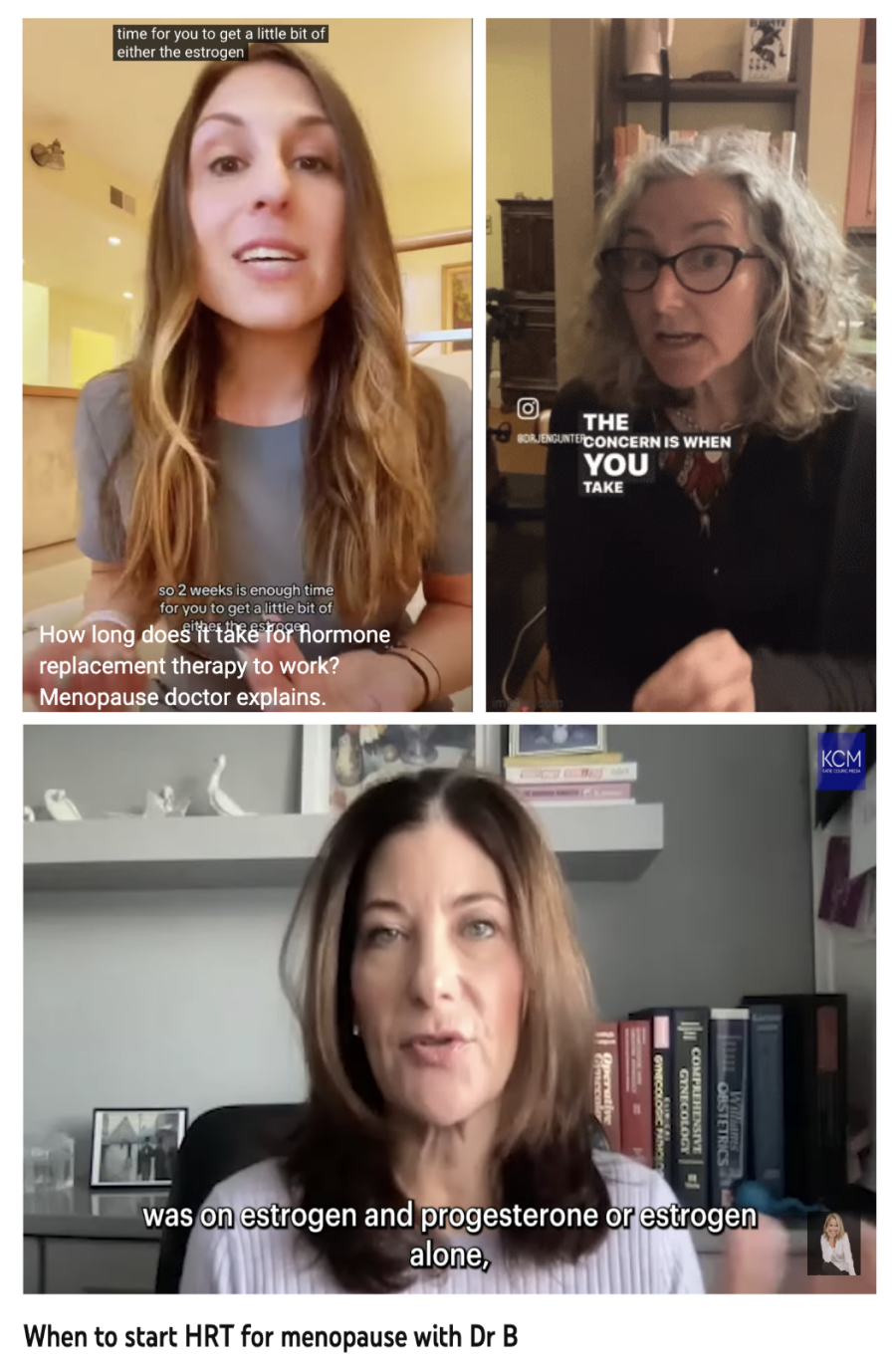
When it comes to dealing with menopause, experts offer various tips and advice to help women manage the diverse range of symptoms they may experience during this transitional phase of life.
One of the most commonly recommended strategies is to make lifestyle adjustments. This includes maintaining a healthy diet, such as the Mediterranean diet rich in fruits, vegetables, whole grains, and healthy fats, which has been associated with reduced hot flashes and improved mood. Staying physically active, engaging in regular exercise, and managing stress through techniques like deep breathing and mind-body practices are also encouraged to alleviate symptoms like anxiety and insomnia.
Regarding supplements, doctors often suggest specific vitamins to support women during menopause. Calcium and Vitamin D are commonly advised to maintain bone health and reduce the risk of osteoporosis. Omega-3 fatty acids, found in fish oil supplements, may help alleviate joint pain and inflammation experienced during this stage. Vitamin E supplements have been studied for their potential to reduce hot flashes and night sweats.

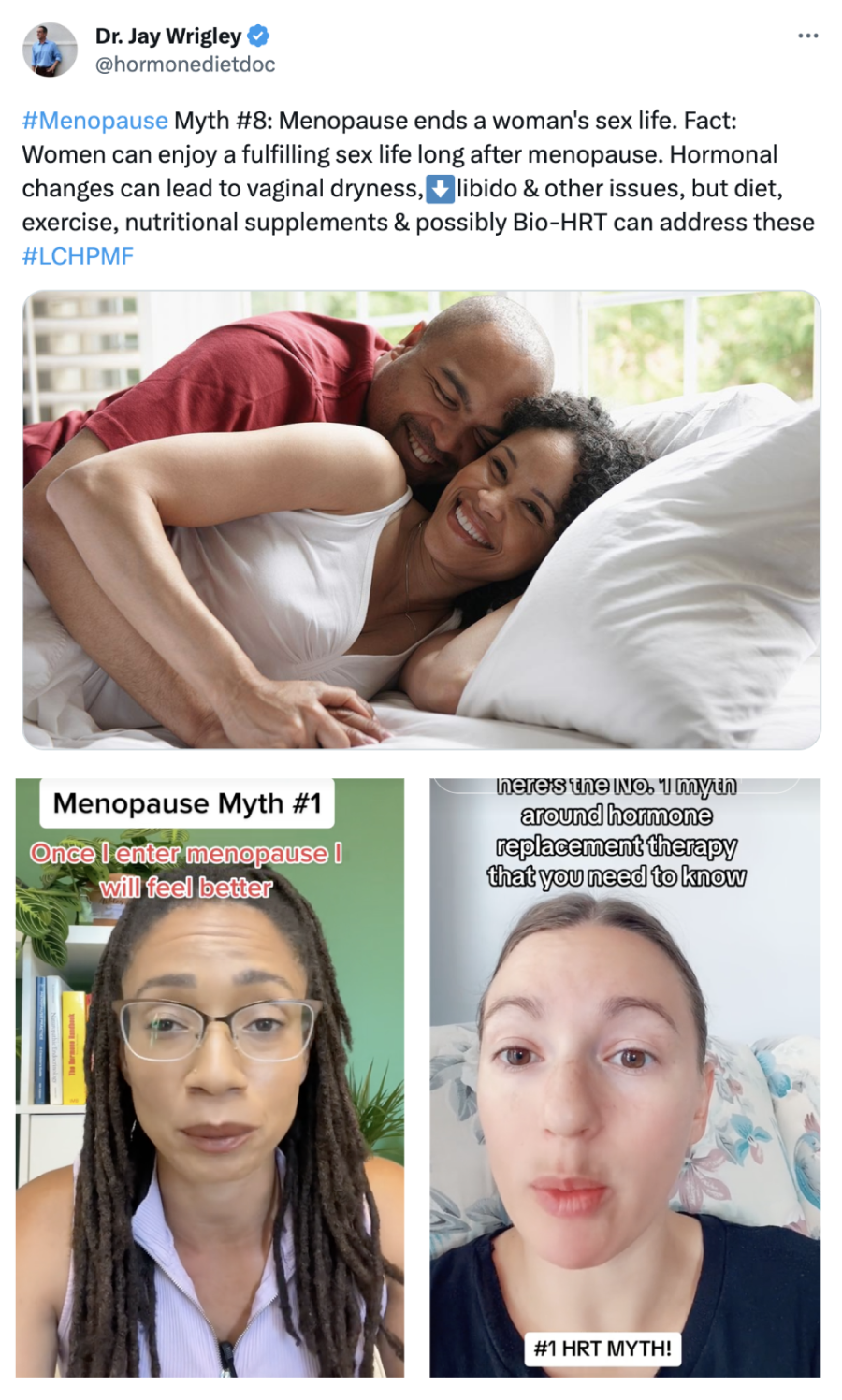
Doctors play a crucial role in debunking myths and clarifying misconceptions surrounding menopause and hormone replacement therapy (HRT).
One prevalent myth is that HRT is dangerous and can cause cancer, leading some to believe it should be avoided at all costs. However, doctors clarify that HRT can be a safe and effective option for managing menopausal symptoms, especially when prescribed and monitored appropriately. They emphasize the importance of individualizing the decision to use HRT, taking into account a woman's medical history, age, and the severity of her symptoms. Additionally, doctors dispel the notion that bioidentical hormones are inherently safer than conventional hormone therapies, as both may carry risks and benefits that need to be evaluated on a case-by-case basis.
Another common myth that doctors have addressed is the belief that HRT is a lifelong commitment. In reality, women have the flexibility to discontinue HRT if and when they feel it is appropriate, and they can do so after discussing their health needs with their healthcare provider. Furthermore, doctors clarify that while HRT can provide relief from certain menopausal symptoms, it cannot cure menopause or reverse the natural aging process. Instead, its primary goal is to improve the quality of life during this transitional phase.
Guidance and counselling
Many women are uncertain and concerned about Hormone Replacement Therapy (HRT) due to potential risks like dementia, breast cancer, and other adverse effects. The lack of comprehensive education and guidance on HRT options leaves women feeling hesitant and unsure about the best approach to address their menopausal symptoms.
Holistic health management
Women experiencing menopause face the challenge of managing a multitude of symptoms that impact their life. They look for guidance on maintaining a healthy lifestyle, adopting a balanced diet, incorporating suitable exercise routines, and learning effective stress management techniques to regain control of their health and well-being during this transitional phase.
Emotional well-being support
Menopause triggers intense emotional distress, with women experiencing anger issues, frustration, anxiety, and feelings of being overwhelmed. They also fear potential risks associated with HRT, which adds to their emotional burden.

Subscribe to stay up to date with our latest products, articles and newsletters.
No spam. Unsubscribe anytime.

.png)
